


Extreme air pollution in the nation's metropolis of New Delhi has resulted in the appearance of “black crusts” on the exteriors of the Red Fort, according to.
Researchers observed that these layers—produced due to chemical interactions between particles and the sandstone fort—were ranging from 0.05mm and 0.5mm deep, and may deteriorate its elaborate designs if conservation efforts undertaken.
This investigation is the first of its kind to extensively examine the effects of environmental contamination on this 17th Century landmark.
Heritage advocates have repeatedly warned about the detrimental effect of pollution on historical buildings in the city and multiple other areas.
In 2018, courts stated that the famous mausoleum—similarly iconic Mughal-era structure—had discolored due to pollutants, prompting timely conservation actions.
The study on the monument, shared in a academic publication in mid-2024, was carried out between 2021 and 2023 by researchers in international institutions.
The historical site, built by Mughal Emperor Shah Jahan, is among Delhi's most significant tourist attractions.
India's initial leader Nehru unfurled the tricolor from the fort on 16 August 1947, a day after sovereignty from colonial powers was attained. Ever since, national leaders have been giving addresses on Independence Day from the walls of the structure.
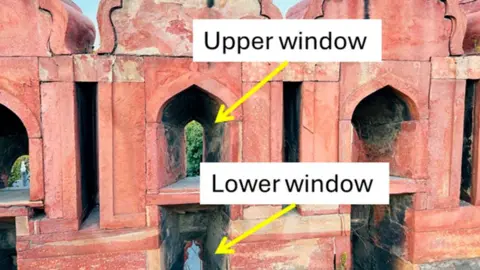
Experts reviewed the city's air quality data from 2021 to 2023. They then scraped off the sooty layer found on various walls of the monument and tested its makeup.
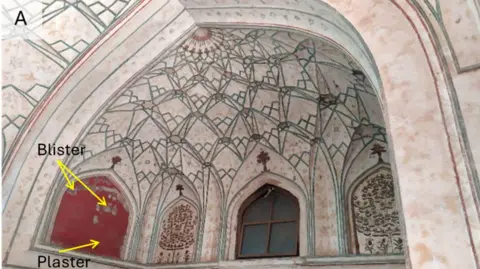
They found that pollutants and other substances in the atmosphere had led to the dark crust to form on the monument's surfaces and also harmed other details such as ceilings, openings, and fine artwork.
The experts also found evidence of swelling and flaking on the walls.
"Fine particulate matter are widely recognised as significant factors to the darkening of exteriors in contact with ambient air. This process happens when pollutants build up over time, leading to observable staining of these surfaces," the report explains.
The study suggests the prompt implementation of conservation strategies to safeguard the fort.
"Appearance of a black crust is a ongoing occurrence that typically initiates with a thin dark film, which can be cleaned, at least in the beginning," the report notes.
It also indicates that sealants could be used to vulnerable areas to prevent the growth of sooty layers.

